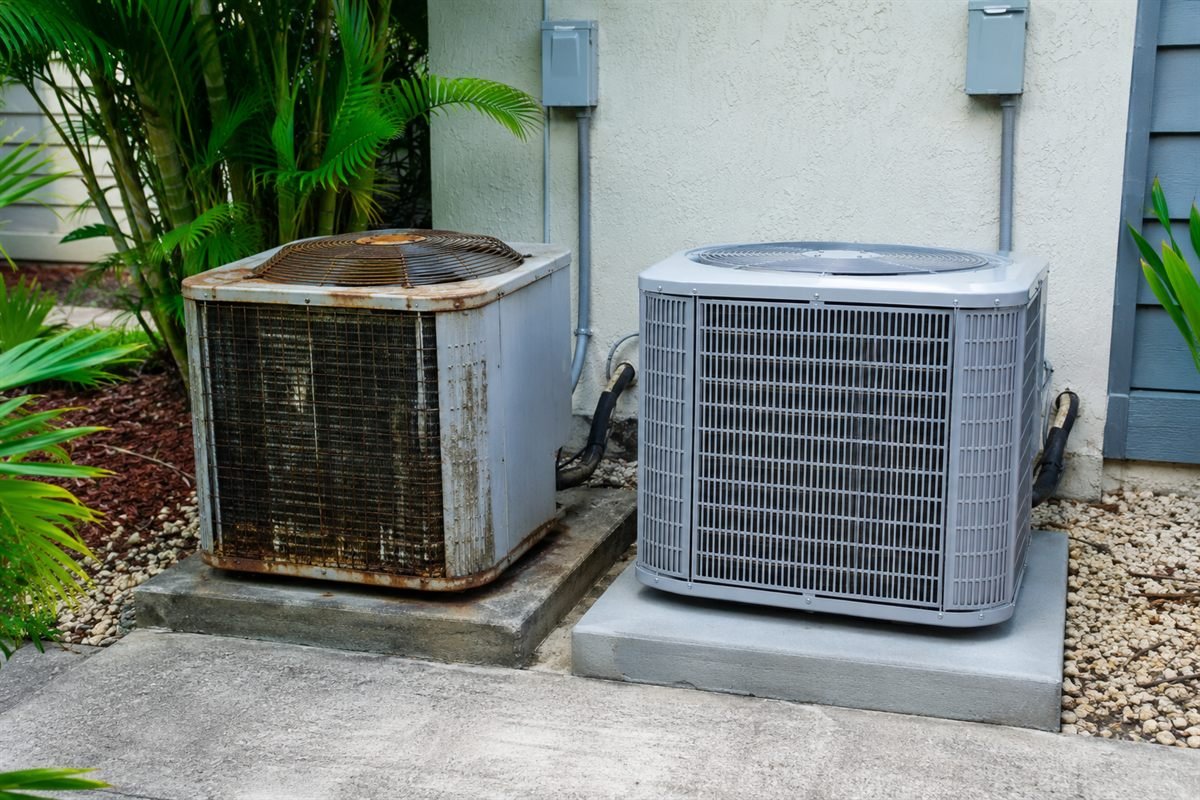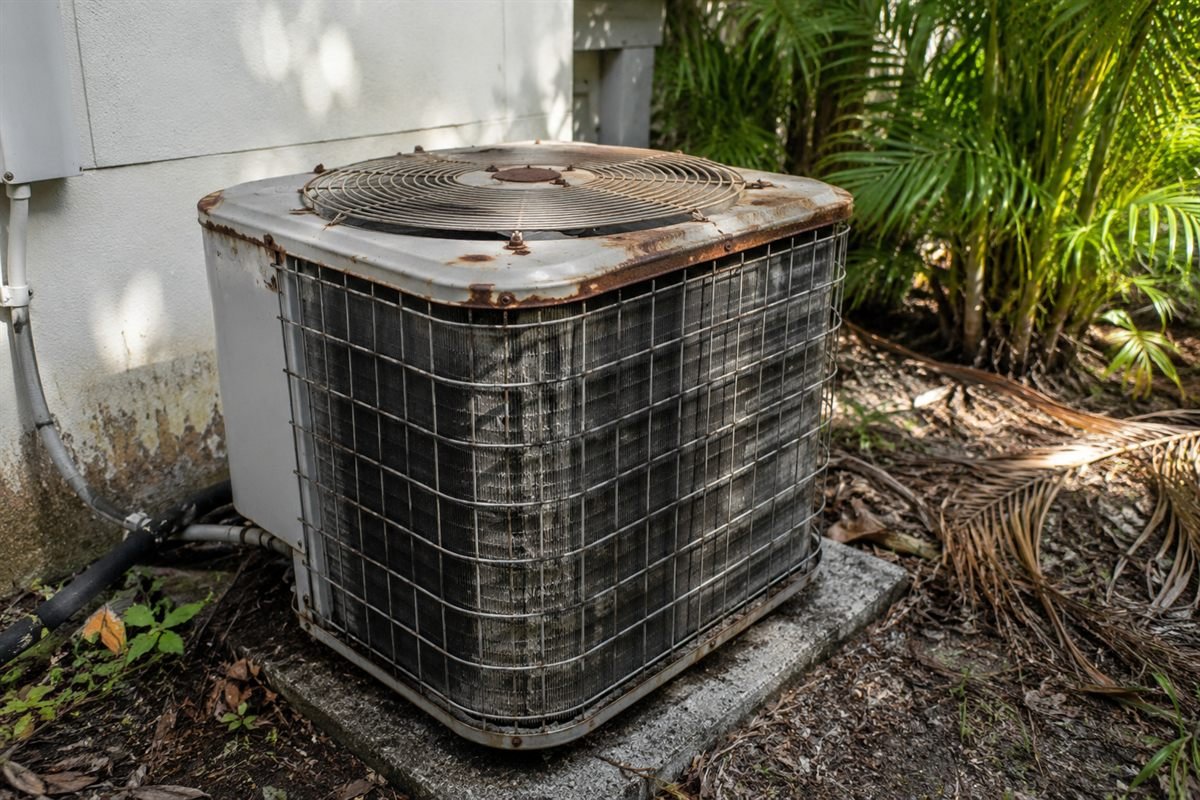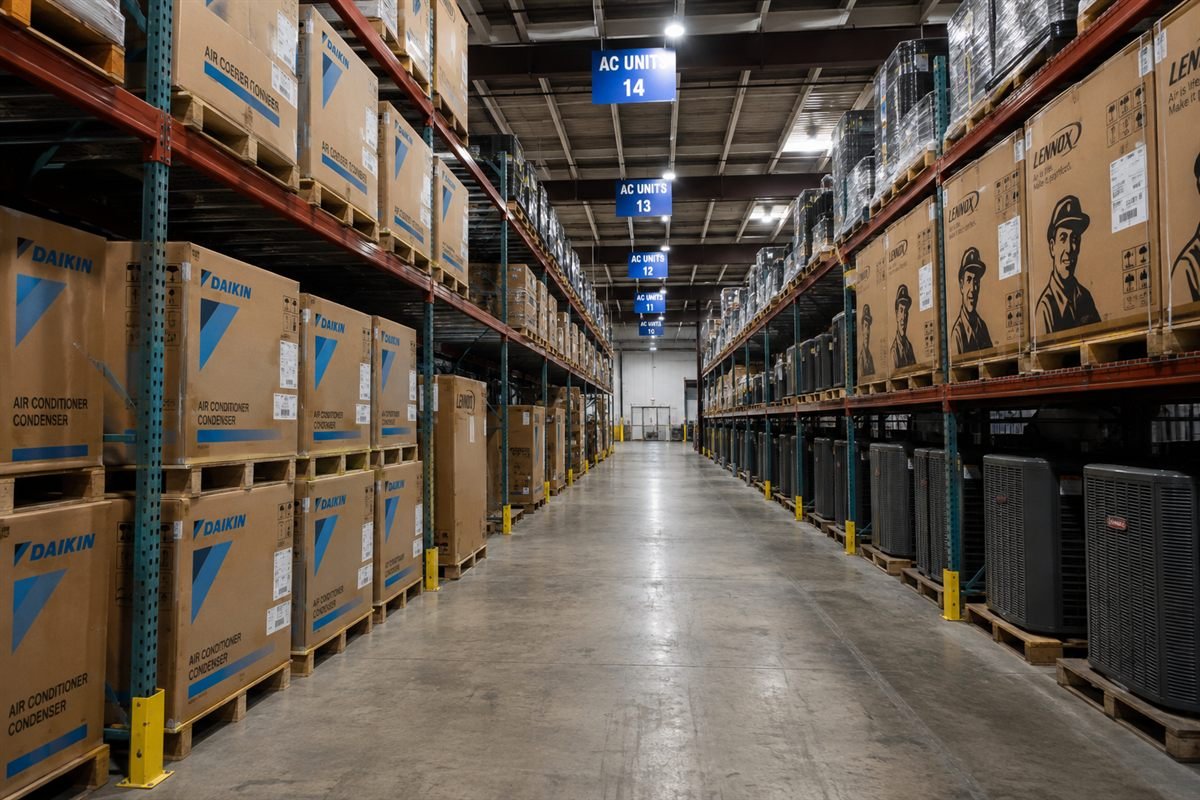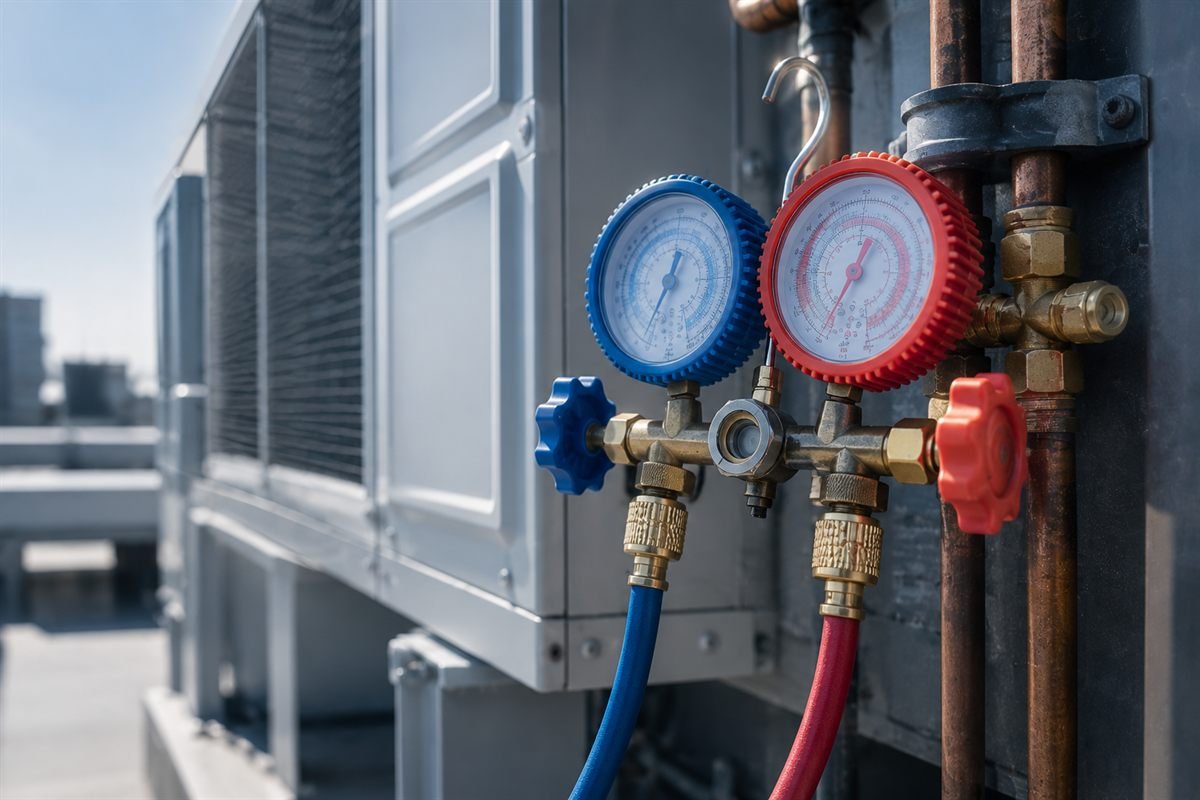
The federal government is phasing out R-410A refrigerant — the standard in nearly every AC made between 2010 and 2024. New systems now use R-454B or R-32. This affects you in three ways: repair costs for older systems are rising, replacement timing matters more, and the new equipment is more expensive but more efficient. Here's what Florida homeowners need to know.
If you've heard about "the refrigerant change" and aren't sure what it means for your AC, you're not alone. The rules are confusing, the timelines are staggered, and most contractors are too busy to explain it clearly.
Here's the plain-English version for South Florida homes and businesses — without the panic, without the sales pitch.
What's actually changing
For the last 15 years or so, virtually every residential AC sold in the US used R-410A refrigerant. R-410A replaced an older refrigerant called R-22 (Freon) when that one was phased out in 2010 for ozone-depletion reasons.
Now R-410A is being phased out too — but for a different reason: global warming potential. R-410A is safe for the ozone layer, but it's a powerful greenhouse gas if released. The EPA's AIM Act mandates that new equipment use refrigerants with much lower global warming potential.
The replacements are R-454B (now standard in most central AC systems) and R-32 (mostly used in mini-splits). Both have roughly 75% lower global warming potential than R-410A.
Key dates to know
- January 1, 2025: Manufacturers stopped producing new R-410A residential AC equipment.
- 2025-2026: Existing R-410A inventory continues to sell while supply lasts.
- Through 2035: R-410A refrigerant remains available for repairs to existing systems — but supply tightens and prices rise each year.
- Eventually: R-410A will be virtually unavailable, like R-22 today.
How this affects you (3 scenarios)
Scenario 1: Your AC is less than 8 years old and works fine
Don't panic. Don't replace anything yet. Your system has plenty of life left. Refrigerant prices may rise gradually, but the cost difference for occasional repairs is small. Keep up with maintenance, address leaks promptly, and run your system to the end of its natural life.
Scenario 2: Your AC is 10+ years old and has been needing repairs
This is where it gets tricky. Replacement systems now cost 15-20% more than they did two years ago, partly because of the refrigerant transition. But refrigerant work on your existing R-410A system is also getting expensive — a refrigerant top-off that cost $200-300 last year may cost $400-500 this year, and more next year.
Our honest take: if you're already considering replacement, the math hasn't changed dramatically. Yes, new systems are more expensive — but they're also more efficient (the new equipment is required to meet higher SEER2 ratings), so your monthly bills drop. Plan replacement based on your system's condition, not panic about refrigerants.
Scenario 3: Your AC just died and you need replacement now
You're getting an R-454B or R-32 system — that's just the new normal. The good news:
- The new refrigerants work fine. They've been in use globally for years; they're proven technology.
- The new systems are more efficient — you'll see lower electric bills than your old unit produced.
- Warranties are the same or better than before.
Choose your installer carefully. The new refrigerants require updated training and certification — not every HVAC tech is current on the new equipment.
"Should I rush to buy an R-410A system before they're gone?"
We get this question constantly. For most homeowners, the answer is no.
Here's why: the small remaining inventory of R-410A systems is being sold at premium prices, often by contractors trying to clear stock. The systems are also using older technology than the new R-454B units. You'd be paying more for older, less efficient equipment just to avoid a refrigerant you're not going to interact with directly.
The exception: commercial properties with multiple existing R-410A systems may benefit from staying on the same refrigerant for inventory and parts consistency. Talk to a contractor who specializes in commercial HVAC.
What about safety? Are the new refrigerants flammable?
You may have heard that R-454B is "mildly flammable" (technically classified as A2L). This is true — but the practical concern is minimal:
- Equipment is engineered for safe use with these refrigerants
- Installation requires certified technicians and updated codes
- The flammability rating is so low that under normal operation, ignition is virtually impossible
- Mini-split systems have used R-32 (also A2L) safely worldwide for over a decade
The real concern is DIY refrigerant work. Homeowners using DIY refrigerant cans on R-454B systems is dangerous. Don't do it. Period. Refrigerant work is for licensed, trained technicians.
Common myths we hear in Florida
- "My old R-410A AC is now illegal." False. Your existing system is fine. The phase-out only affects new manufacturing.
- "I have to replace my system before [date]." False. There's no replacement deadline.
- "Repairs are now impossible." False. R-410A is still available for repairs and will be for years.
- "The new refrigerant doesn't cool as well." False. New systems cool better, with higher efficiency ratings.
What we recommend for Florida homeowners
- Don't panic-buy. If your system works and isn't ancient, keep it.
- Address leaks immediately. Don't let R-410A slowly escape — find and seal leaks now while parts are easier to source.
- Plan around system age, not refrigerant rules. If your system is approaching 12-15 years, start budgeting for replacement.
- Choose your contractor based on certification and experience, not the cheapest quote. The new refrigerants need installers who actually know them.
- Don't believe scare tactics. If a contractor pressures you to replace your working system "before refrigerants run out" — get a second opinion.
The refrigerant change is real, but it's not the emergency some companies are making it out to be. We've seen too many homeowners pressured into unnecessary replacements over this. Take a breath, get honest advice, and make decisions based on your actual system's condition.
Questions about your system?
If you want an honest assessment of where your system stands — whether to repair, replace, or just keep maintaining it — that's exactly the kind of question we love answering. Schedule a free assessment and we'll give you the real picture, no sales pressure.
Need help with your AC system?
ColdenHeat is here for South Florida homes and businesses — same-day service, free estimates, no surprises.
🌐Español Get Free Estimate →Same-day AC service for homes and businesses across Broward and Miami-Dade — Weston, Davie, Plantation, Pembroke Pines, Fort Lauderdale, Hollywood, Coral Springs, Miami and Boca Raton, Doral, Kendall, Sunrise, Pompano Beach.