The national average AC lifespan is 15-20 years. In Florida, the realistic range is 8-12 years — and that's only if it's been properly maintained. Without regular tune-ups, expect 6-8 years. Florida's heat, humidity, and salt air age systems significantly faster than the rest of the country.
If you've ever Googled "how long should an AC last," you've probably seen numbers like "15-20 years" thrown around. That's the national average. And it's misleading if you live in Florida.
Here's the reality from someone who's installed and serviced HVAC across South Florida for over a decade: your AC is going to wear out faster here. A lot faster. The question isn't whether — it's how much faster, and what you can do about it.
The Honest Florida Lifespan: 8-12 Years
Most modern central AC systems in Florida last 8 to 12 years with proper maintenance. Without regular service, that drops to 6-8 years. Here's why we age systems faster than, say, a homeowner in North Carolina or Ohio:
- Run time. A Florida AC runs roughly 9-10 months out of the year. In northern states, ACs run maybe 4-5 months. We're putting double the workload on the same hardware.
- Humidity. Florida's 70-90% humidity means your system isn't just cooling — it's constantly removing moisture. That's extra wear on coils, drains, and components.
- Heat extremes. South Florida summers regularly hit 90-95°F with heat indexes over 100°F. Your AC is fighting harder for longer, raising compressor stress.
- Salt air (coastal areas). If you're within a few miles of the coast, salt corrodes condenser coils and electrical components. Coastal systems often fail 30-40% faster than inland ones.
- Power surges & storms. Florida has more lightning strikes than anywhere in the U.S. Each surge takes a small toll on capacitors, contactors, and circuit boards.
What Determines Your AC's Lifespan
Two systems installed the same day, in the same neighborhood, can have completely different lifespans. The variables that matter most:
1. Installation Quality (Biggest Factor)
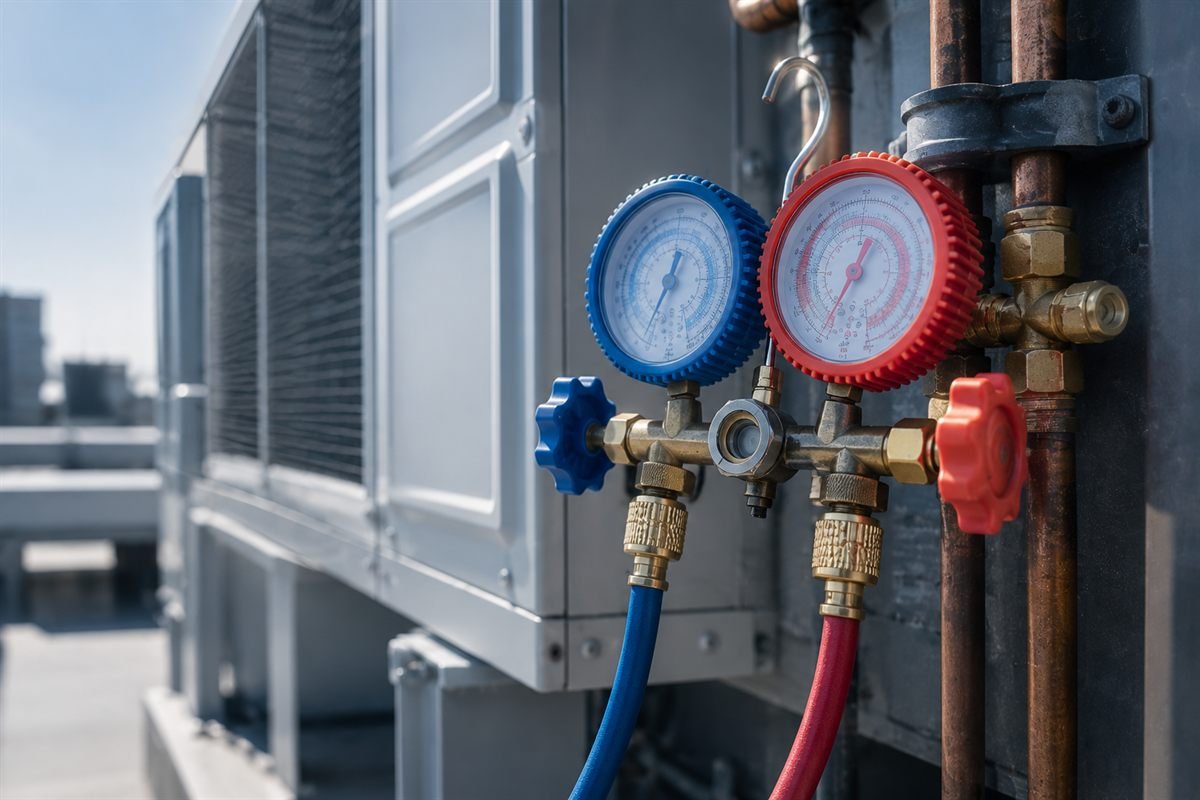
A poorly installed top-of-the-line unit will fail before a properly installed budget unit. Sizing errors, refrigerant overcharge or undercharge, leaky ductwork, and improper electrical connections all dramatically shorten lifespan.
If your AC was installed by a low-bid contractor who rushed through it, you may already be on borrowed time.
2. Maintenance History
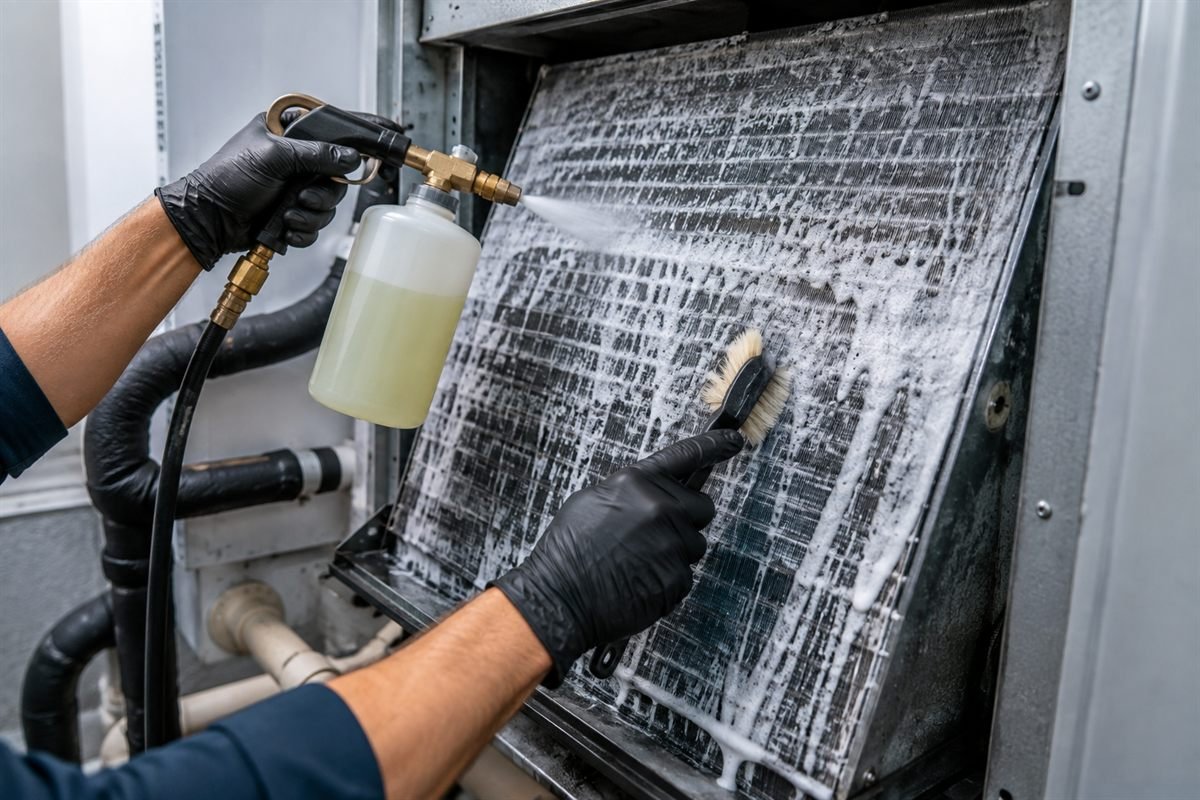
An AC that gets annual or biannual professional maintenance typically lasts 30-50% longer than one that doesn't. We see it constantly: maintenance customers replacing systems at year 12-14, while neighbors with identical units are on their second system already.
It's the cheapest insurance you can buy. Here's our full Florida maintenance checklist.
3. Filter Discipline
Sounds small. It's not. A clogged filter is the #1 cause of premature AC failure in Florida. Restricted airflow makes the system work harder, freezes coils, and eventually destroys the compressor (the most expensive part). Change your filter every 30-60 days.
4. Run Settings
Setting your thermostat to 65°F all summer doesn't just cost you electricity — it dramatically shortens your AC's life. The system runs constantly, never reaching equilibrium. 78°F is the sweet spot for both efficiency and longevity in Florida.
Warning Signs Your AC Is on Its Last Legs
Even with great maintenance, every system eventually wears out. Signs your AC is approaching the end:
- Energy bills climbing month over month, even with similar usage
- Frequent repairs — if you've had 2-3 service calls in the past 18 months
- Uneven cooling — some rooms much hotter than others
- Constantly running without ever reaching the set temperature
- Strange smells (musty, burning, or chemical)
- Unusual noises — grinding, banging, screeching (decoded here)
- Excessive humidity indoors — the system can't keep up with dehumidification
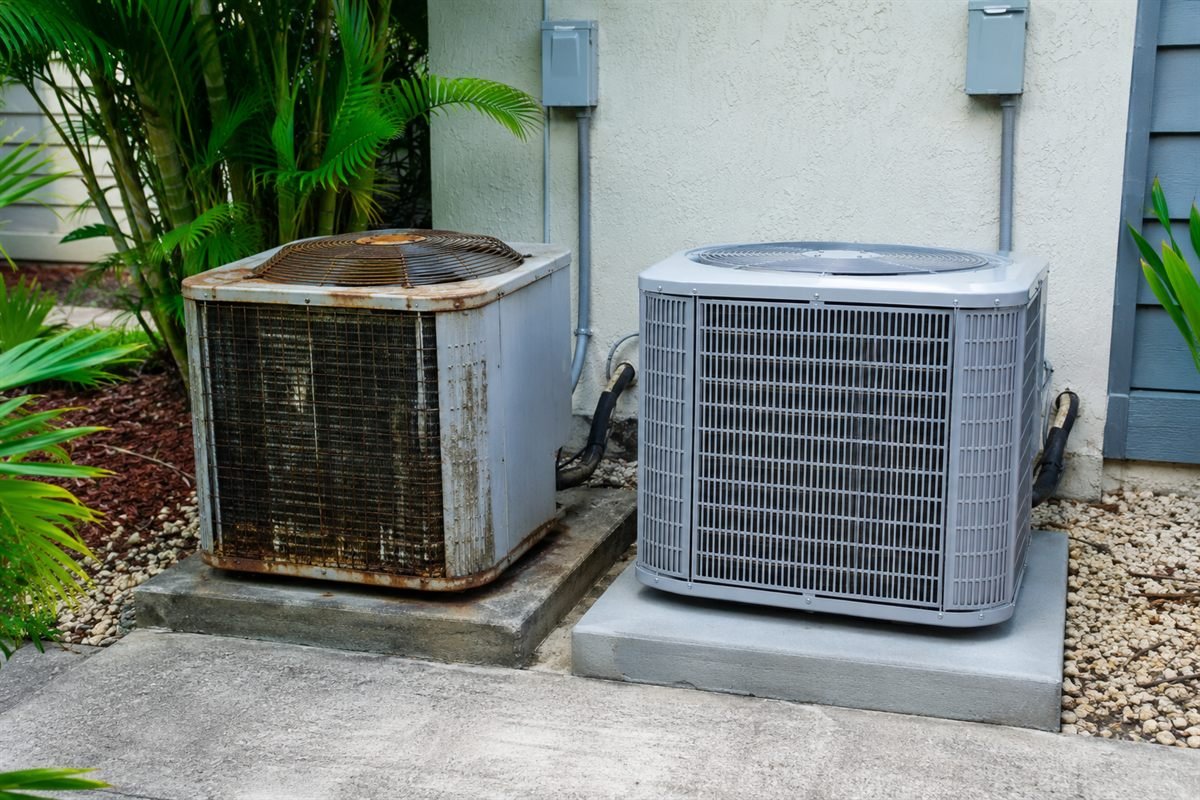
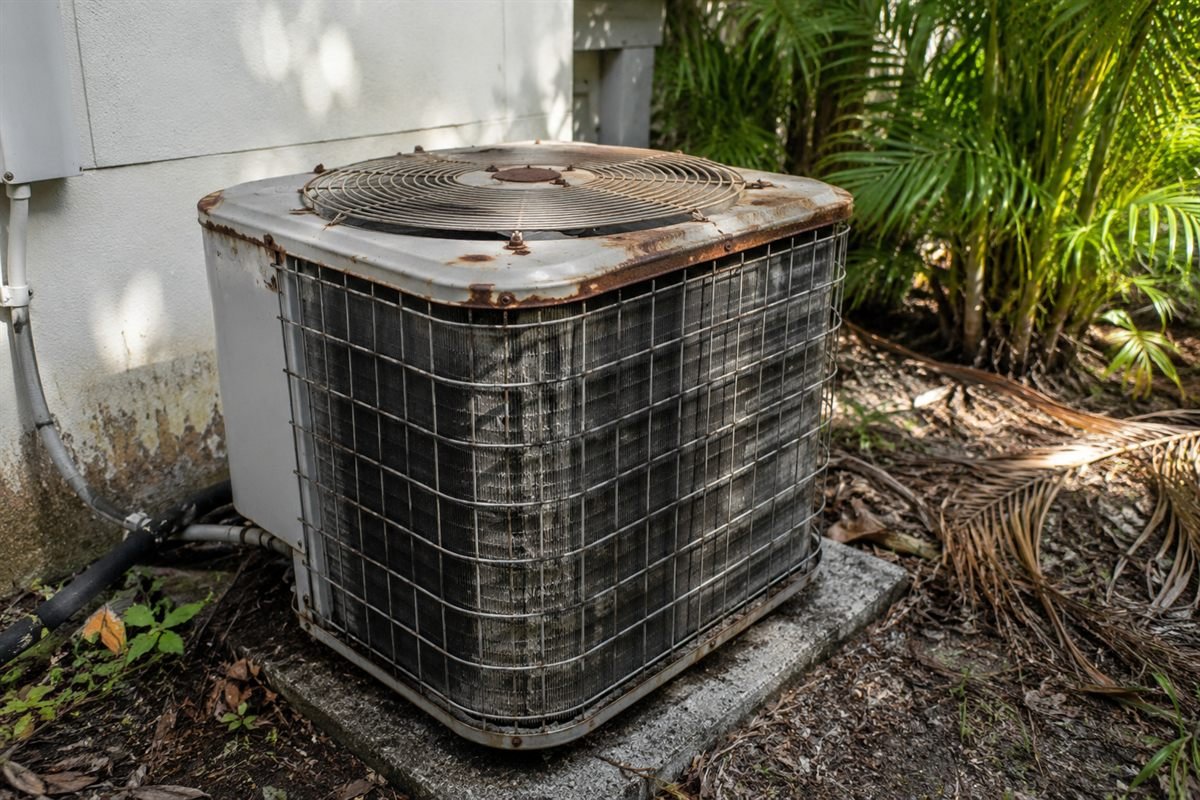
- Visible rust or corrosion on the outdoor unit
- R-22 refrigerant (if your system uses R-22, it's pre-2010 and refrigerant is now unavailable for repair)
Repair vs. Replace: The Florida Math
The general rule: if a single repair will cost more than 50% of a new system's price, AND your unit is over 8 years old, replace it.
Why this matters in Florida specifically: with the 2025-2026 refrigerant phase-out, repairing older R-410A systems is getting more expensive every year. Here's everything you need to know about refrigerant changes.
For a more detailed breakdown, read our full repair-vs-replace decision guide.
Not sure how much life is left in your AC?
We do free system age and condition assessments across South Florida. We'll tell you honestly whether you should keep maintaining it, plan for replacement, or replace now.
Get Free Assessment →Same-day AC service for homes and businesses across Broward and Miami-Dade — Weston, Davie, Plantation, Pembroke Pines, Fort Lauderdale, Hollywood, Coral Springs, Miami and Boca Raton, Doral, Kendall, Sunrise, Pompano Beach.
How to Make Your AC Last Longer in Florida
Want to push your system to the upper end of that 8-12 year range — or even beyond?
- Annual professional maintenance. Non-negotiable. Twice a year (spring + fall) is even better.
- Change your filter monthly in summer, every 60 days otherwise.
- Keep the outdoor unit clear — at least 2 feet of clearance on all sides.
- Don't crank it down when you walk in hot. Set it to 78°F and let it work efficiently.
- Use a programmable thermostat to reduce runtime when you're not home.
- Install a surge protector dedicated to your HVAC system. A $150 surge protector can prevent a $3,000 control board replacement.
- Check the drain line twice a year. A clogged drain in Florida humidity will shut your system down — and possibly damage the coils.
The Bottom Line
If you live in South Florida, plan for an 8-12 year lifespan and budget accordingly. Set aside money for maintenance, and start saving for replacement around year 8.
The homeowners who get the most years out of their systems share three habits: they maintain religiously, they don't run it brutally cold, and they fix small problems before they become big ones.
And the homeowners whose systems die at year 6? Almost universally, they were the ones who never had it serviced once.